Buy evabf.com ?
We are moving the project
evabf.com .
Are you interested in purchasing the domain
evabf.com ?
domain@kv-gmbh.de · 0541-91531010
Buy evabf.com ?
What are conjunctional clauses, relative clauses, demonstrative clauses, and infinitive clauses?
Conjunctional clauses are dependent clauses that are introduced by a conjunction, such as "because," "although," or "while." They provide additional information about the main clause in a sentence. Relative clauses are also dependent clauses that provide more information about a noun in the main clause. They are introduced by relative pronouns like "who," "which," or "that." Demonstrative clauses are dependent clauses that function as adjectives and provide more information about a noun in the main clause. They are introduced by demonstrative pronouns like "this," "that," "these," or "those." Infinitive clauses are dependent clauses that are formed with an infinitive verb (to + base form of the verb). They can function as nouns, adjectives, or adverbs in a sentence. **
Are conjunctive clauses always adverbial clauses?
No, conjunctive clauses are not always adverbial clauses. While adverbial clauses are a type of conjunctive clause that function as adverbs to modify verbs, adjectives, or other adverbs, there are also other types of conjunctive clauses. For example, there are conjunctive clauses that function as noun clauses, such as in "I know that you are busy." In this sentence, "that you are busy" is a conjunctive clause functioning as a noun clause, not an adverbial clause. Therefore, conjunctive clauses can serve various grammatical functions beyond just adverbial clauses. **

Similar search terms for Clauses
Top-Angebote
Products related to Clauses:
-
Smart Shopping Spot Pro Interval Workout Timer Digital Interval Timer For HIIT, Boxing, Yoga & Fitness Training Pro Interval Workout Timer Digital Interval Timer For HIIT, Boxing, Yoga & Fitness TrainingTake every workout to the next level with a timer that keeps you focused on performance instead of the clock. This interval timer is designed for athletes, fitness enthusiasts, coaches, and anyone following structured training routines. Whether...64,97 $*Shipping: 0,00 $Secure redirect to the provider
-
Plus Size Women's Lace Trim Essential Stretch Legging by Roaman's in Black (Size 12) Activewear Workout Yoga Pants"Our essential stretch legging, with lace trim at the hem and an easy-on elastic waistband. Made to wear everywhere, it's the basic bottom to pair with tunics, dresses and more. The pretty peek of lace adds a feminine touch to every outfit. 28""..."24,99 $*Shipping: 0,00 $Secure redirect to the provider
-
Inspire Curations SweatCore Fitness Waist Belt Sweat Enhancing Workout Wrap For Running & Yoga pinkTurn up the intensity of every workout with support you can feel. This performancedriven fitness sweat belt is designed to wrap your waist comfortably while encouraging heat retention during exercise. Lightweight yet supportive, it moves with you...52,95 $*Shipping: 0,00 $Secure redirect to the provider
-
Fusion Finds Women's Sports Headband Elastic Workout Hair Band For Yoga, Running & Fitness blackStay comfortable, focused, and confident through every workout with this sports headband designed to keep your hair securely in place. Made from soft, stretchy fabric, it's perfect for women who love fitness, yoga, running, or everyday active...29,97 $*Shipping: 0,00 $Secure redirect to the provider




-
What are relative clauses and conjunctional clauses?
Relative clauses are clauses that provide additional information about a noun in the main clause. They are introduced by relative pronouns such as "who," "which," "that," and "whom." For example, in the sentence "The book that I read is very interesting," the relative clause "that I read" provides more information about the noun "book." Conjunctional clauses, on the other hand, are clauses that are connected to the main clause by conjunctions such as "and," "but," "or," "if," and "because." They can express relationships such as addition, contrast, alternative, condition, and cause. For example, in the sentence "I will go to the park if the weather is nice," the conjunctional clause "if the weather is nice" expresses a condition for the action in the main clause. **
-
What are the French conditional clauses (si-clauses)?
French conditional clauses, also known as si-clauses, are used to express a hypothetical situation and its potential outcome. They consist of two parts: the si clause (if clause), which describes the condition, and the main clause, which describes the potential result. The si clause is typically formed using the conjunction "si" followed by the imperfect tense or the pluperfect tense, while the main clause is formed using the conditional tense. These clauses are commonly used to talk about what would happen in certain situations if a specific condition were met. **
-
How do I transform subordinate clauses into main clauses?
To transform a subordinate clause into a main clause, you need to make sure that the clause can stand alone as a complete sentence. This means adding a subject and a verb to the clause if it doesn't already have them. You may also need to adjust the word order or add any necessary punctuation. Once these changes are made, the subordinate clause will become a main clause that can function independently within a sentence. **
-
How can main clauses and subordinate clauses be recognized?
Main clauses can be recognized by their ability to stand alone as complete sentences, containing a subject and a predicate. Subordinate clauses, on the other hand, cannot stand alone as complete sentences and are dependent on the main clause for their meaning. They often begin with subordinating conjunctions such as "because," "although," "while," or "if." Additionally, subordinate clauses often function as adverbial, adjectival, or nominal clauses, providing additional information about the main clause. **


How can subordinate clauses be rewritten as main clauses?
Subordinate clauses can be rewritten as main clauses by removing the subordinating conjunction and making any necessary adjustments to the verb tense or word order. For example, the subordinate clause "because she was tired" can be rewritten as the main clause "she was tired." This transformation allows the subordinate clause to stand alone as a complete sentence. Additionally, any pronouns or other words that were dependent on the subordinating conjunction may need to be adjusted to ensure the new main clause is grammatically correct. **
How can one recognize main clauses and subordinate clauses?
Main clauses can stand alone as complete sentences, while subordinate clauses cannot. Subordinate clauses often begin with subordinating conjunctions such as "although," "because," "if," "when," or "while." They also often contain a subject and a verb, but they do not express a complete thought on their own. Main clauses, on the other hand, express a complete thought and can function as independent sentences. By identifying these characteristics, one can recognize main and subordinate clauses in a sentence. **
Top-Angebote
Products related to Clauses:
-
Enesco/Dept 56 More Letters for the Clauses African American Clothtique Red , RedEvery year, Mr. and Mrs. Claus are eager to receive and read More Letters for the Clauses. The red mailbox has holiday accents including holly leaves, red berries, and a red bow; it is filled with wrapped packages and rolled-up letters. This happy,...149,99 $*Shipping: 20,95 $Secure redirect to the provider
-
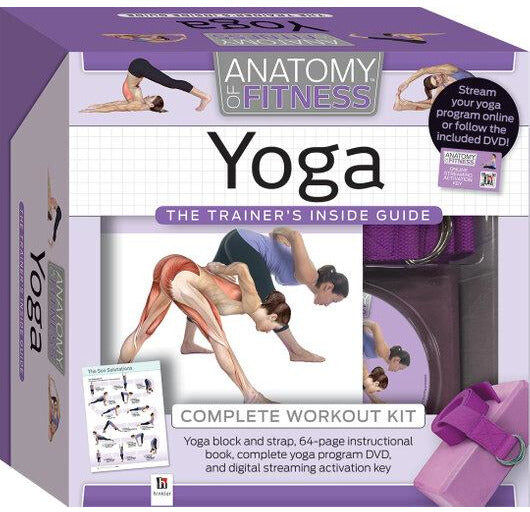
Hinkler Anatomy Of Fitness Yoga The Trainers Inside Guide Complete Workout KitThis kit contains: high-quality yoga strap, yoga block to support and assist body alignment, complete yoga program DVD, activation card to access the yoga program online, instructional 64-page yoga book.5,98 £*Shipping: 2,99 £Secure redirect to the provider
-
Smart Shopping Spot Pro Interval Workout Timer Digital Interval Timer For HIIT, Boxing, Yoga & Fitness Training Pro Interval Workout Timer Digital Interval Timer For HIIT, Boxing, Yoga & Fitness TrainingTake every workout to the next level with a timer that keeps you focused on performance instead of the clock. This interval timer is designed for athletes, fitness enthusiasts, coaches, and anyone following structured training routines. Whether...64,97 $*Shipping: 0,00 $Secure redirect to the provider
-
Plus Size Women's Lace Trim Essential Stretch Legging by Roaman's in Black (Size 12) Activewear Workout Yoga Pants"Our essential stretch legging, with lace trim at the hem and an easy-on elastic waistband. Made to wear everywhere, it's the basic bottom to pair with tunics, dresses and more. The pretty peek of lace adds a feminine touch to every outfit. 28""..."24,99 $*Shipping: 0,00 $Secure redirect to the provider
-
What are conjunctional clauses, relative clauses, demonstrative clauses, and infinitive clauses?
Conjunctional clauses are dependent clauses that are introduced by a conjunction, such as "because," "although," or "while." They provide additional information about the main clause in a sentence. Relative clauses are also dependent clauses that provide more information about a noun in the main clause. They are introduced by relative pronouns like "who," "which," or "that." Demonstrative clauses are dependent clauses that function as adjectives and provide more information about a noun in the main clause. They are introduced by demonstrative pronouns like "this," "that," "these," or "those." Infinitive clauses are dependent clauses that are formed with an infinitive verb (to + base form of the verb). They can function as nouns, adjectives, or adverbs in a sentence. **
-
Are conjunctive clauses always adverbial clauses?
No, conjunctive clauses are not always adverbial clauses. While adverbial clauses are a type of conjunctive clause that function as adverbs to modify verbs, adjectives, or other adverbs, there are also other types of conjunctive clauses. For example, there are conjunctive clauses that function as noun clauses, such as in "I know that you are busy." In this sentence, "that you are busy" is a conjunctive clause functioning as a noun clause, not an adverbial clause. Therefore, conjunctive clauses can serve various grammatical functions beyond just adverbial clauses. **
-
What are relative clauses and conjunctional clauses?
Relative clauses are clauses that provide additional information about a noun in the main clause. They are introduced by relative pronouns such as "who," "which," "that," and "whom." For example, in the sentence "The book that I read is very interesting," the relative clause "that I read" provides more information about the noun "book." Conjunctional clauses, on the other hand, are clauses that are connected to the main clause by conjunctions such as "and," "but," "or," "if," and "because." They can express relationships such as addition, contrast, alternative, condition, and cause. For example, in the sentence "I will go to the park if the weather is nice," the conjunctional clause "if the weather is nice" expresses a condition for the action in the main clause. **
-
What are the French conditional clauses (si-clauses)?
French conditional clauses, also known as si-clauses, are used to express a hypothetical situation and its potential outcome. They consist of two parts: the si clause (if clause), which describes the condition, and the main clause, which describes the potential result. The si clause is typically formed using the conjunction "si" followed by the imperfect tense or the pluperfect tense, while the main clause is formed using the conditional tense. These clauses are commonly used to talk about what would happen in certain situations if a specific condition were met. **
Similar search terms for Clauses
-
Inspire Curations SweatCore Fitness Waist Belt Sweat Enhancing Workout Wrap For Running & Yoga pinkTurn up the intensity of every workout with support you can feel. This performancedriven fitness sweat belt is designed to wrap your waist comfortably while encouraging heat retention during exercise. Lightweight yet supportive, it moves with you...52,95 $*Shipping: 0,00 $Secure redirect to the provider
-
Fusion Finds Women's Sports Headband Elastic Workout Hair Band For Yoga, Running & Fitness blackStay comfortable, focused, and confident through every workout with this sports headband designed to keep your hair securely in place. Made from soft, stretchy fabric, it's perfect for women who love fitness, yoga, running, or everyday active...29,97 $*Shipping: 0,00 $Secure redirect to the provider
-
Plus Size Women's Lace Trim Essential Stretch Legging by Roaman's in White (Size 12) Activewear Workout Yoga Pants"Our essential stretch legging, with lace trim at the hem and an easy-on elastic waistband. Made to wear everywhere, it's the basic bottom to pair with tunics, dresses and more. The pretty peek of lace adds a feminine touch to every outfit. 28""..."24,99 $*Shipping: 0,00 $Secure redirect to the provider
-
Plus Size Women's Lace Trim Essential Stretch Legging by Roaman's in Navy (Size 12) Activewear Workout Yoga Pants"Our essential stretch legging, with lace trim at the hem and an easy-on elastic waistband. Made to wear everywhere, it's the basic bottom to pair with tunics, dresses and more. The pretty peek of lace adds a feminine touch to every outfit. 28""..."24,99 $*Shipping: 0,00 $Secure redirect to the provider
-
How do I transform subordinate clauses into main clauses?
To transform a subordinate clause into a main clause, you need to make sure that the clause can stand alone as a complete sentence. This means adding a subject and a verb to the clause if it doesn't already have them. You may also need to adjust the word order or add any necessary punctuation. Once these changes are made, the subordinate clause will become a main clause that can function independently within a sentence. **
-
How can main clauses and subordinate clauses be recognized?
Main clauses can be recognized by their ability to stand alone as complete sentences, containing a subject and a predicate. Subordinate clauses, on the other hand, cannot stand alone as complete sentences and are dependent on the main clause for their meaning. They often begin with subordinating conjunctions such as "because," "although," "while," or "if." Additionally, subordinate clauses often function as adverbial, adjectival, or nominal clauses, providing additional information about the main clause. **
-
How can subordinate clauses be rewritten as main clauses?
Subordinate clauses can be rewritten as main clauses by removing the subordinating conjunction and making any necessary adjustments to the verb tense or word order. For example, the subordinate clause "because she was tired" can be rewritten as the main clause "she was tired." This transformation allows the subordinate clause to stand alone as a complete sentence. Additionally, any pronouns or other words that were dependent on the subordinating conjunction may need to be adjusted to ensure the new main clause is grammatically correct. **
-
How can one recognize main clauses and subordinate clauses?
Main clauses can stand alone as complete sentences, while subordinate clauses cannot. Subordinate clauses often begin with subordinating conjunctions such as "although," "because," "if," "when," or "while." They also often contain a subject and a verb, but they do not express a complete thought on their own. Main clauses, on the other hand, express a complete thought and can function as independent sentences. By identifying these characteristics, one can recognize main and subordinate clauses in a sentence. **
* All prices are inclusive of VAT and, if applicable, plus shipping costs. The offer information is based on the details provided by the respective shop and is updated through automated processes. Real-time updates do not occur, so deviations can occur in individual cases. ** Note: Parts of this content were created by AI.