Buy evabf.com ?
We are moving the project
evabf.com .
Are you interested in purchasing the domain
evabf.com ?
domain@kv-gmbh.de · 0541-91531010
Buy evabf.com ?
Is Samadhi in yoga equivalent to Nirvana in Buddhism?
No, Samadhi in yoga and Nirvana in Buddhism are not equivalent. Samadhi refers to a state of deep concentration and meditative absorption in yoga, where the practitioner experiences a sense of oneness and unity. On the other hand, Nirvana in Buddhism is the ultimate goal of liberation from suffering and the cycle of birth and death, achieved through enlightenment and the cessation of craving and attachment. While both concepts involve a state of profound spiritual realization, they are rooted in different philosophical and religious traditions. **
Is samadhi in yoga equivalent to nirvana in Buddhism?
No, samadhi in yoga is not equivalent to nirvana in Buddhism. Samadhi refers to a state of deep concentration and meditative absorption in yoga, where the practitioner experiences a sense of oneness and unity. On the other hand, nirvana in Buddhism is the ultimate goal of enlightenment and liberation from the cycle of birth and death. While both concepts involve a deep spiritual experience, they have different philosophical and religious implications in their respective traditions. **

Similar search terms for Buddhism
Top-Angebote
Products related to Buddhism:
-
Daily Discovery Women's Yoga Top Long Sleeve Workout Shirt Breathable Moisture Wicking Activewear black mFeel confident and comfortable through every workout with this Women's yoga top designed to move with your body. Made for yoga, gym sessions, running, and outdoor training, this fitted longsleeve performance top combines lightweight comfort with...44,97 $*Shipping: 0,00 $Secure redirect to the provider

-
What are the differences between Buddhism and Tibetan Buddhism?
Buddhism is a broader religion that encompasses various traditions and schools, while Tibetan Buddhism is a specific branch of Buddhism that developed in Tibet. Tibetan Buddhism incorporates elements of Tibetan culture, such as rituals, deities, and practices like chanting and visualization. It also places a strong emphasis on the teachings of Tibetan Buddhist masters and the importance of the Dalai Lama. Additionally, Tibetan Buddhism includes unique practices such as the use of prayer flags, prayer wheels, and mandalas. **
-
What is the difference between Buddhism and Zen Buddhism?
Buddhism is a broader religion and philosophy that encompasses a variety of traditions and practices, while Zen Buddhism is a specific school or branch of Mahayana Buddhism that emphasizes meditation and direct experience of enlightenment. Zen Buddhism places a strong emphasis on the practice of meditation (zazen) as a means to achieve enlightenment, while traditional Buddhism incorporates a wider range of practices such as chanting, rituals, and study of Buddhist scriptures. Additionally, Zen Buddhism often focuses on the teachings of specific Zen masters and the importance of the teacher-student relationship in transmitting wisdom and insight. **
-
Is Buddhism illogical?
Buddhism is not inherently illogical. It is a complex and diverse belief system that encompasses a wide range of philosophical and ethical teachings. While some aspects of Buddhist doctrine may seem counterintuitive or difficult to understand from a Western perspective, they are based on a different cultural and philosophical framework. Many Buddhist teachings emphasize the importance of critical thinking and personal experience, and encourage followers to question and explore their beliefs. Ultimately, whether Buddhism is considered logical or not may depend on one's own perspective and understanding of its teachings. **
-
What is the difference between Zen Buddhism and regular Buddhism?
The main difference between Zen Buddhism and regular Buddhism lies in their approach to meditation and enlightenment. Zen Buddhism, which originated in China and later developed in Japan, emphasizes the practice of meditation (zazen) as the primary means to attain enlightenment. It focuses on direct experience and intuitive understanding, often through the guidance of a teacher. Regular Buddhism, on the other hand, encompasses a variety of traditions and practices, with meditation being just one of them. It places more emphasis on the study of scriptures, ethical conduct, and the development of wisdom and compassion. While both Zen Buddhism and regular Buddhism share the same core teachings of the Four Noble Truths and the Eightfold Path, their methods and emphasis on practice differ. **
What is Zen Buddhism?
Zen Buddhism is a school of Mahayana Buddhism that originated in China during the Tang dynasty and later spread to Japan. It emphasizes the practice of meditation (zazen) and the direct experience of enlightenment, or awakening. Zen teachings often focus on the concept of emptiness, impermanence, and the importance of living in the present moment. It is known for its minimalist approach, simplicity, and the use of paradoxical statements (koans) to provoke insight and break through conceptual thinking. **
What does Buddhism teach?
Buddhism teaches the Four Noble Truths, which are the truths of suffering, the cause of suffering, the end of suffering, and the path to the end of suffering. It also emphasizes the importance of mindfulness, compassion, and non-attachment. Buddhism teaches that all beings are interconnected and that the ultimate goal is to achieve enlightenment and liberation from the cycle of birth and death (samsara). **
Top-Angebote
Products related to Buddhism:
-
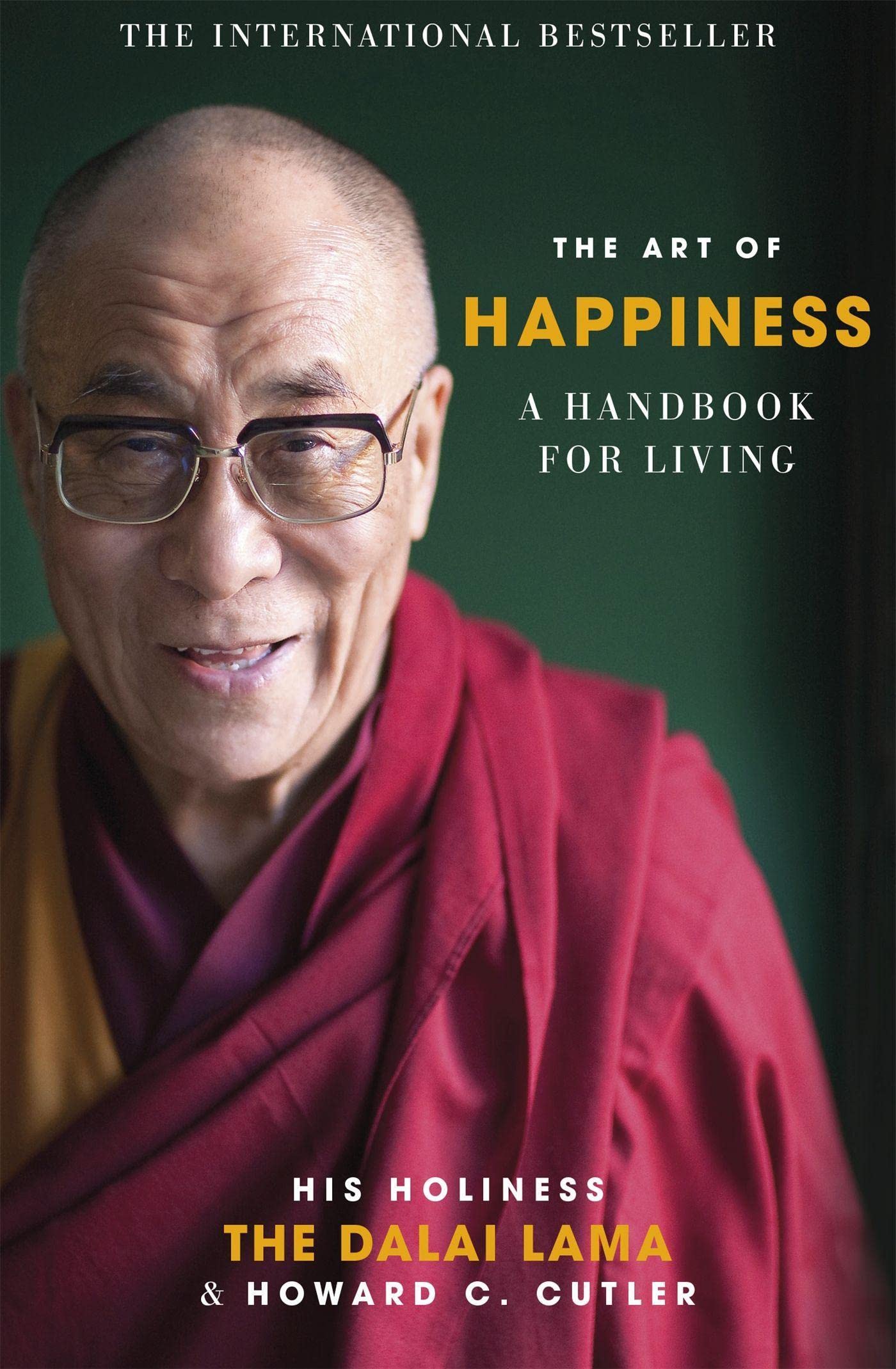
Hodder & Stoughton The Art of Happiness: A Handbook for Living by The Dalai Lama & Howard C. Cutler - Paperback Self-Help Classic on Buddhism & WellbeingA handbook for living, 'The Art of Happiness' pairs the spiritual insight of the Dalai Lama with the clinical expertise of Dr Howard C. Cutler. This practical guide explores how lasting contentment can be cultivated in everyday life, blending Tibetan Buddhist philosophy with Western psychology. The book is based on conversations between the Dalai Lama and Dr Cutler, recorded over several years, and offers a unique perspective on anxiety, loneliness, anger, loss, and the pursuit of wealth. Written with warmth, humour, and practicality, this influential work remains a valuable resource for those seeking calm and inner peace.9,99 £*Shipping: 2,99 £Secure redirect to the provider
-
Daily Discovery Women's Yoga Top Long Sleeve Workout Shirt Breathable Moisture Wicking Activewear navy lFeel confident and comfortable through every workout with this Women's yoga top designed to move with your body. Made for yoga, gym sessions, running, and outdoor training, this fitted longsleeve performance top combines lightweight comfort with...49,97 $*Shipping: 0,00 $Secure redirect to the provider
-
Daily Discovery Women's Yoga Top Long Sleeve Workout Shirt Breathable Moisture Wicking Activewear black mFeel confident and comfortable through every workout with this Women's yoga top designed to move with your body. Made for yoga, gym sessions, running, and outdoor training, this fitted longsleeve performance top combines lightweight comfort with...44,97 $*Shipping: 0,00 $Secure redirect to the provider
-
Is Samadhi in yoga equivalent to Nirvana in Buddhism?
No, Samadhi in yoga and Nirvana in Buddhism are not equivalent. Samadhi refers to a state of deep concentration and meditative absorption in yoga, where the practitioner experiences a sense of oneness and unity. On the other hand, Nirvana in Buddhism is the ultimate goal of liberation from suffering and the cycle of birth and death, achieved through enlightenment and the cessation of craving and attachment. While both concepts involve a state of profound spiritual realization, they are rooted in different philosophical and religious traditions. **
-
Is samadhi in yoga equivalent to nirvana in Buddhism?
No, samadhi in yoga is not equivalent to nirvana in Buddhism. Samadhi refers to a state of deep concentration and meditative absorption in yoga, where the practitioner experiences a sense of oneness and unity. On the other hand, nirvana in Buddhism is the ultimate goal of enlightenment and liberation from the cycle of birth and death. While both concepts involve a deep spiritual experience, they have different philosophical and religious implications in their respective traditions. **
-
What are the differences between Buddhism and Tibetan Buddhism?
Buddhism is a broader religion that encompasses various traditions and schools, while Tibetan Buddhism is a specific branch of Buddhism that developed in Tibet. Tibetan Buddhism incorporates elements of Tibetan culture, such as rituals, deities, and practices like chanting and visualization. It also places a strong emphasis on the teachings of Tibetan Buddhist masters and the importance of the Dalai Lama. Additionally, Tibetan Buddhism includes unique practices such as the use of prayer flags, prayer wheels, and mandalas. **
-
What is the difference between Buddhism and Zen Buddhism?
Buddhism is a broader religion and philosophy that encompasses a variety of traditions and practices, while Zen Buddhism is a specific school or branch of Mahayana Buddhism that emphasizes meditation and direct experience of enlightenment. Zen Buddhism places a strong emphasis on the practice of meditation (zazen) as a means to achieve enlightenment, while traditional Buddhism incorporates a wider range of practices such as chanting, rituals, and study of Buddhist scriptures. Additionally, Zen Buddhism often focuses on the teachings of specific Zen masters and the importance of the teacher-student relationship in transmitting wisdom and insight. **
Similar search terms for Buddhism
-
Is Buddhism illogical?
Buddhism is not inherently illogical. It is a complex and diverse belief system that encompasses a wide range of philosophical and ethical teachings. While some aspects of Buddhist doctrine may seem counterintuitive or difficult to understand from a Western perspective, they are based on a different cultural and philosophical framework. Many Buddhist teachings emphasize the importance of critical thinking and personal experience, and encourage followers to question and explore their beliefs. Ultimately, whether Buddhism is considered logical or not may depend on one's own perspective and understanding of its teachings. **
-
What is the difference between Zen Buddhism and regular Buddhism?
The main difference between Zen Buddhism and regular Buddhism lies in their approach to meditation and enlightenment. Zen Buddhism, which originated in China and later developed in Japan, emphasizes the practice of meditation (zazen) as the primary means to attain enlightenment. It focuses on direct experience and intuitive understanding, often through the guidance of a teacher. Regular Buddhism, on the other hand, encompasses a variety of traditions and practices, with meditation being just one of them. It places more emphasis on the study of scriptures, ethical conduct, and the development of wisdom and compassion. While both Zen Buddhism and regular Buddhism share the same core teachings of the Four Noble Truths and the Eightfold Path, their methods and emphasis on practice differ. **
-
What is Zen Buddhism?
Zen Buddhism is a school of Mahayana Buddhism that originated in China during the Tang dynasty and later spread to Japan. It emphasizes the practice of meditation (zazen) and the direct experience of enlightenment, or awakening. Zen teachings often focus on the concept of emptiness, impermanence, and the importance of living in the present moment. It is known for its minimalist approach, simplicity, and the use of paradoxical statements (koans) to provoke insight and break through conceptual thinking. **
-
What does Buddhism teach?
Buddhism teaches the Four Noble Truths, which are the truths of suffering, the cause of suffering, the end of suffering, and the path to the end of suffering. It also emphasizes the importance of mindfulness, compassion, and non-attachment. Buddhism teaches that all beings are interconnected and that the ultimate goal is to achieve enlightenment and liberation from the cycle of birth and death (samsara). **
* All prices are inclusive of VAT and, if applicable, plus shipping costs. The offer information is based on the details provided by the respective shop and is updated through automated processes. Real-time updates do not occur, so deviations can occur in individual cases. ** Note: Parts of this content were created by AI.