Buy evabf.com ?
We are moving the project
evabf.com .
Are you interested in purchasing the domain
evabf.com ?
domain@kv-gmbh.de · 0541-91531010
Buy evabf.com ?
Which TV channels can be received at Domaine Long Pré?
At Domaine Long Pré, guests can receive a variety of TV channels, including popular international channels such as CNN, BBC, and Eurosport. Additionally, there are channels available in different languages, catering to the diverse needs of the guests. The wide selection of TV channels ensures that guests can stay updated with news, sports, and entertainment during their stay at Domaine Long Pré. **
What is the motive in a fugue?
The motive in a fugue is a short musical idea or theme that is introduced at the beginning of the piece and serves as the foundation for the entire composition. It is typically a distinctive and recognizable melody that is repeated and developed throughout the fugue. The motive is subject to various transformations such as inversion, retrograde, augmentation, and diminution as it is passed between different voices in the fugue. The motive helps to unify the composition and create a sense of coherence and structure within the complex contrapuntal texture of a fugue. **


Similar search terms for Fugue-Domaine-Hauvette-2021
Top-Angebote
Products related to Fugue-Domaine-Hauvette-2021:
-
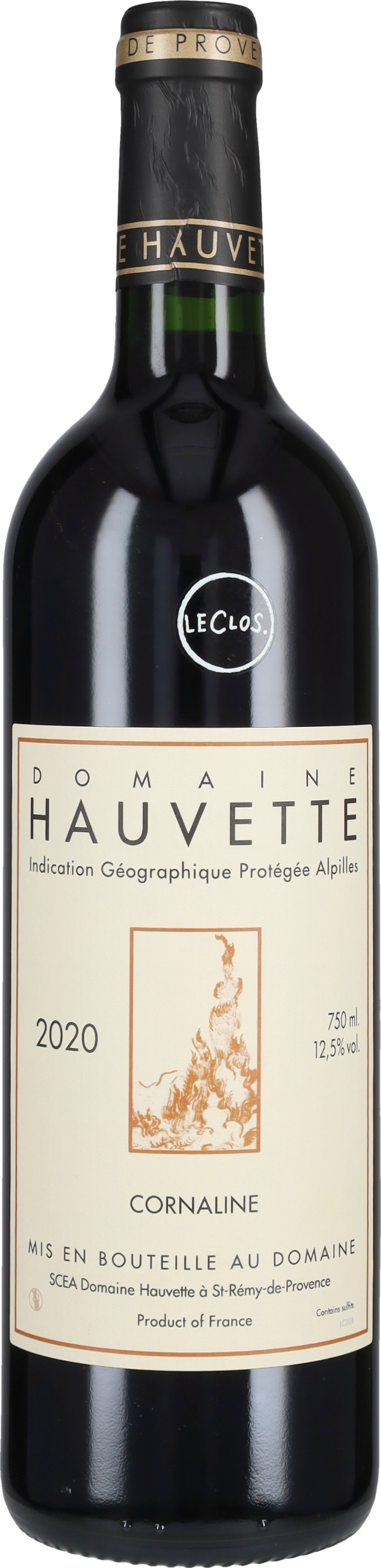
"""Domaine Hauvette""" """Domaine Hauvette Alpilles Cornaline Rouge 2020 Red Wine - France""""""Dominique Hauvette set out on the road to becoming a legend of Provençal wine. Her Cornaline, a blend of Grenache, Syrah, and Cabernet, exemplifies the unique brushstroke that gives her wines their inimitable character. She seamlessly channels both..."73,99 $*Shipping: 0,00 $Secure redirect to the provider
-
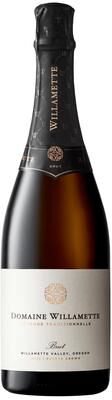
"""Domaine Willamette""" """Domaine Willamette Brut 2021 Champagne - Oregon""""""Domaine Willamette is dedicated to producing the highest quality sparkling wines. This brut is crafted from estate-grown Pinot Noir and Chardonnay using méthode traditionnelle where the wine goes through secondary fermentation in this bottle. It’s..."78,99 $*Shipping: 0,00 $Secure redirect to the provider
-
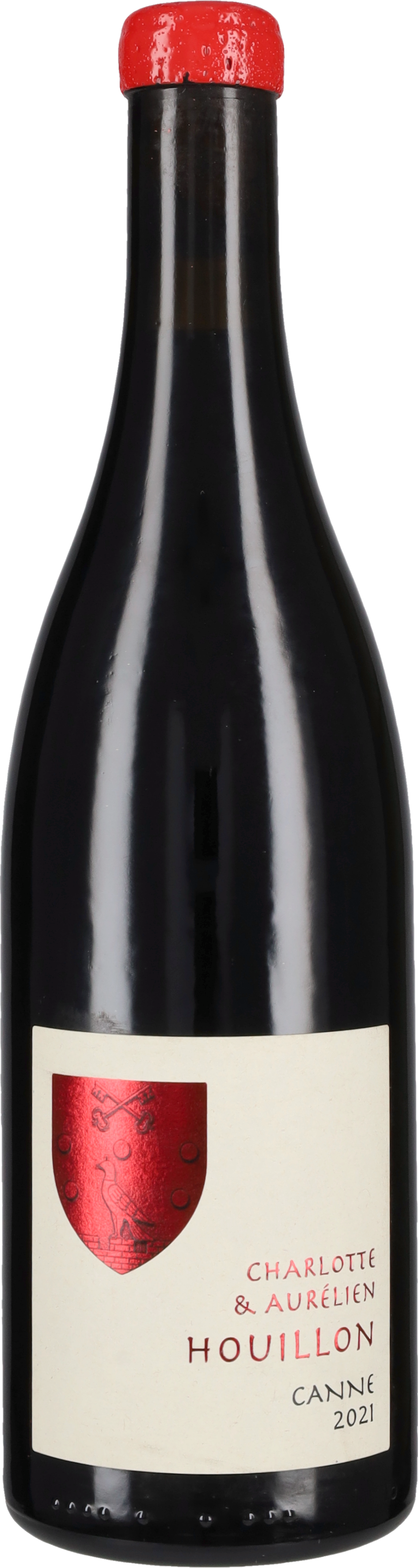
Rouge 'Canne' Domaine Houillon 2021Domaine Houillon Rouge ‘Canne’ represents a label with a elegant and juicy style made in the Vaucluse area, in the Southern Rhône, by the couple Aurélien and Charlotte Houillon. Aurélien boasts a long experience as a partner of Domaine Pierre Overnoy, a renowned artisan producer from the Jura wine region. In 2017, together with his wife Charlotte, the vigneron found an estate in the municipality of Faucon, at the foot of Mont Ventoux, where he now manages 9 hectares of vineyards surrounded by woods. The Rouge ‘Canne’ Domaine Houillon is produced through a blend of Grenache Noir (70%) and Syrah (30%), varieties grown according to the principles of biodynamic agriculture on clay-limestone soils, characterized by lower sand content. After manual harvesting, the grapes undergo complete destemming, which are then vinified with spontaneous alcoholic fermentation and as much as 10 weeks of skin maceration. The maturation of several months takes place exclusively in stainless steel tanks and the wine is finally bottled without undergo any clarification or filtration processes and without the addition of sulfur dioxide. Furthermore, during vinification, the use of enzymes and oenological aids is excluded while transfers and movements occur by gravity, thus not stressing the wine. In the glass, the ‘Canne’ Rouge of Domaine Houillon reveals a beautiful bright ruby red color. The aromatic spectrum opens with fruity aromas of cherry jam and berries, soon joined by alluring floral perceptions and hints of sweet spices. Juicy and intense is the taste, equipped with a fine and well-integrated tannic structure that accompanies the very persistent finish on the sensations perceived on the nose. Although it is very enjoyable already in its youth, this red wine can only improve with a few more years of aging.49,00 £*Shipping: 48,00 £Secure redirect to the provider
-
Morgon 'Corcelette' Domaine Chasselay 2021The Morgon 'Corcelette' from the Burgundian organic winery Domaine Chasselay is a Beaujolais that is soft, fine and structured, an authentic expression of the prized Morgon terroir. Among the 10 crus of Beaujolais, Morgon is considered one of the most prestigious, thanks in part to the more important structure and great longevity of the wines produced here. It is one of the largest sub-zones of Beaujolais, located on the eastern slope of the famous Py hill on soil composed of a combination of schist, granite and volcanic rock. Within the Morgon cru, there are six lieu-dits, including 'Corcelette'.Domaine Chasselay Morgon 'Corcelette' originates from pure Gamay grapes grown in the 'Corcelette' lieu-dit on alluvial soils rich in gravel and small pebbles. In particular, the grapes come from vines with an average age of 70 years, grown organically in the higher areas of the appellation, which are characterised by a cooler climate. The hand-picked bunches are 80% destemmed and then vinified in red with spontaneous alcoholic fermentation at a controlled temperature in contact with the skins for 15 days. This is followed by a maturation phase lasting at least 6 months in oak barrels on fine lees, and the wine is finally bottled without prior clarification or filtration.In the glass, the Morgon 'Corcelette' from Domaine Chasselay displays an intense ruby red colour. It has a fascinating bouquet, defined by aromas of raspberry and blackcurrant combined with floral notes of peony and dried lilac, as well as spicy and mineral tones of white pepper and flint. The palate reveals great finesse and elegance, with warmth perfectly balanced by soft tannins and freshness that contributes to its lively flavour.26,00 £*Shipping: 48,00 £Secure redirect to the provider


-
What is the structure of a fugue?
A fugue typically consists of three main sections: the exposition, the middle section (episodes), and the final section (recapitulation). The exposition introduces the main theme (subject) in one voice, followed by the same theme in a different voice (answer). The middle section features episodes where the theme is developed and explored in various keys and variations. The final section brings back the theme in all voices, often with additional counterpoint and variations, leading to a climactic conclusion. **
-
How can I compose a fugue myself?
To compose a fugue, start by choosing a subject or theme that will be the main melody of the piece. Develop this subject by creating countersubjects and episodes that will complement and contrast with the main theme. Pay attention to the rules of fugue writing, such as maintaining strict counterpoint and following the principles of voice leading. Finally, structure your fugue by organizing the entrances of the subject and developing the piece through different keys and variations. Practice and study fugues by great composers to improve your skills in composing your own fugue. **
-
What is the motif in a fugue?
The motif in a fugue is a short musical idea or theme that is introduced at the beginning of the piece. This motif serves as the foundation for the entire composition, as it is developed and transformed throughout the fugue. It is typically heard in different voices and keys, creating a sense of unity and coherence in the music. The motif is a key element in the structure and development of a fugue, providing a framework for the intricate counterpoint and interplay of voices that characterize this musical form. **
-
How does one analyze a fugue in music?
Analyzing a fugue in music involves identifying the main theme, or subject, and its variations throughout the piece. One must also recognize the different voices or parts that enter with the subject in a contrapuntal manner. It is important to pay attention to the development of the subject, as well as any episodes or sections that provide contrast to the main theme. Finally, understanding the overall structure and form of the fugue, such as the exposition, episodes, and final statement of the subject, is crucial in analyzing this complex musical form. **
What is the music lesson for the fugue?
The music lesson for the fugue is to understand the structure and form of the fugue, as well as the techniques used to create it. Students learn about the subject, countersubject, and episodes, as well as the different voices and their interactions within the composition. They also learn about the development and modulation of the subject throughout the piece. Overall, the music lesson for the fugue aims to develop an understanding and appreciation for the complexity and artistry of this musical form. **
How do you analyze a fugue in music?
Analyzing a fugue in music involves identifying the main theme, or subject, and its variations throughout the piece. It also involves recognizing the different voices or parts that enter with the subject in a contrapuntal manner. Paying attention to the development and interplay of these voices, as well as the use of different techniques such as inversion, retrograde, and augmentation, is crucial in understanding the structure and complexity of a fugue. Additionally, analyzing the overall form, key changes, and relationships between the different sections of the fugue can provide insight into the composer's intentions and creative choices. **
Top-Angebote
Products related to Fugue-Domaine-Hauvette-2021:
-
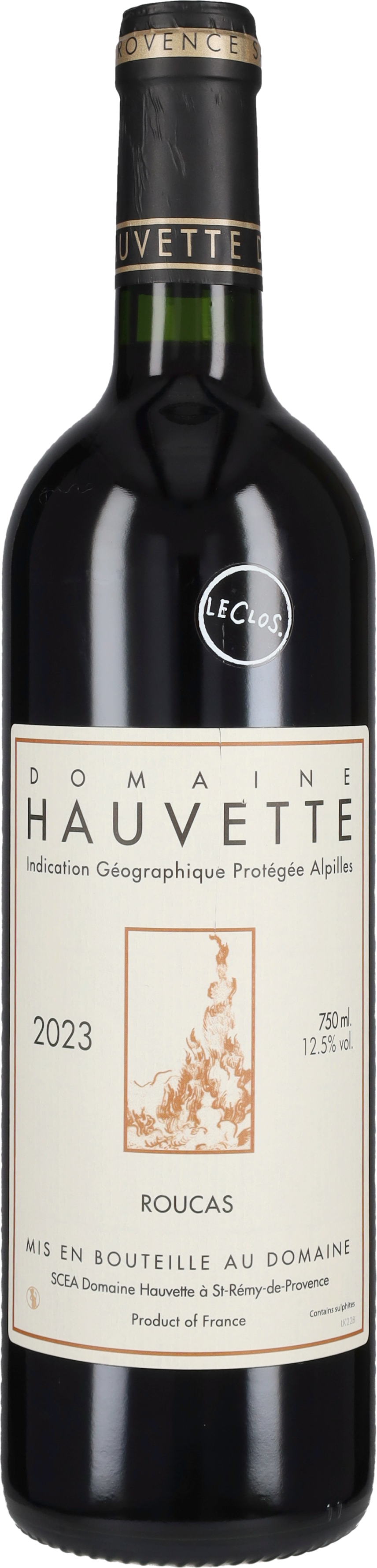
"""Domaine Hauvette""" """Domaine Hauvette Alpilles Cornaline Rouge 2021 Red Wine - France""""""Dominique Hauvette's Cornaline, a blend of Grenache, Syrah, and Cabernet, exemplifies the unique brushstroke that gives her wines their inimitable character. She seamlessly channels both the rusticity of the craggy landscape and the brilliant light..."74,99 $*Shipping: 0,00 $Secure redirect to the provider
-
"""Domaine Hauvette""" """Domaine Hauvette Alpilles Cornaline Rouge 2020 Red Wine - France""""""Dominique Hauvette set out on the road to becoming a legend of Provençal wine. Her Cornaline, a blend of Grenache, Syrah, and Cabernet, exemplifies the unique brushstroke that gives her wines their inimitable character. She seamlessly channels both..."73,99 $*Shipping: 0,00 $Secure redirect to the provider
-
"""Domaine Willamette""" """Domaine Willamette Brut 2021 Champagne - Oregon""""""Domaine Willamette is dedicated to producing the highest quality sparkling wines. This brut is crafted from estate-grown Pinot Noir and Chardonnay using méthode traditionnelle where the wine goes through secondary fermentation in this bottle. It’s..."78,99 $*Shipping: 0,00 $Secure redirect to the provider
-
Which TV channels can be received at Domaine Long Pré?
At Domaine Long Pré, guests can receive a variety of TV channels, including popular international channels such as CNN, BBC, and Eurosport. Additionally, there are channels available in different languages, catering to the diverse needs of the guests. The wide selection of TV channels ensures that guests can stay updated with news, sports, and entertainment during their stay at Domaine Long Pré. **
-
What is the motive in a fugue?
The motive in a fugue is a short musical idea or theme that is introduced at the beginning of the piece and serves as the foundation for the entire composition. It is typically a distinctive and recognizable melody that is repeated and developed throughout the fugue. The motive is subject to various transformations such as inversion, retrograde, augmentation, and diminution as it is passed between different voices in the fugue. The motive helps to unify the composition and create a sense of coherence and structure within the complex contrapuntal texture of a fugue. **
-
What is the structure of a fugue?
A fugue typically consists of three main sections: the exposition, the middle section (episodes), and the final section (recapitulation). The exposition introduces the main theme (subject) in one voice, followed by the same theme in a different voice (answer). The middle section features episodes where the theme is developed and explored in various keys and variations. The final section brings back the theme in all voices, often with additional counterpoint and variations, leading to a climactic conclusion. **
-
How can I compose a fugue myself?
To compose a fugue, start by choosing a subject or theme that will be the main melody of the piece. Develop this subject by creating countersubjects and episodes that will complement and contrast with the main theme. Pay attention to the rules of fugue writing, such as maintaining strict counterpoint and following the principles of voice leading. Finally, structure your fugue by organizing the entrances of the subject and developing the piece through different keys and variations. Practice and study fugues by great composers to improve your skills in composing your own fugue. **
Similar search terms for Fugue-Domaine-Hauvette-2021
-
Rouge 'Canne' Domaine Houillon 2021Domaine Houillon Rouge ‘Canne’ represents a label with a elegant and juicy style made in the Vaucluse area, in the Southern Rhône, by the couple Aurélien and Charlotte Houillon. Aurélien boasts a long experience as a partner of Domaine Pierre Overnoy, a renowned artisan producer from the Jura wine region. In 2017, together with his wife Charlotte, the vigneron found an estate in the municipality of Faucon, at the foot of Mont Ventoux, where he now manages 9 hectares of vineyards surrounded by woods. The Rouge ‘Canne’ Domaine Houillon is produced through a blend of Grenache Noir (70%) and Syrah (30%), varieties grown according to the principles of biodynamic agriculture on clay-limestone soils, characterized by lower sand content. After manual harvesting, the grapes undergo complete destemming, which are then vinified with spontaneous alcoholic fermentation and as much as 10 weeks of skin maceration. The maturation of several months takes place exclusively in stainless steel tanks and the wine is finally bottled without undergo any clarification or filtration processes and without the addition of sulfur dioxide. Furthermore, during vinification, the use of enzymes and oenological aids is excluded while transfers and movements occur by gravity, thus not stressing the wine. In the glass, the ‘Canne’ Rouge of Domaine Houillon reveals a beautiful bright ruby red color. The aromatic spectrum opens with fruity aromas of cherry jam and berries, soon joined by alluring floral perceptions and hints of sweet spices. Juicy and intense is the taste, equipped with a fine and well-integrated tannic structure that accompanies the very persistent finish on the sensations perceived on the nose. Although it is very enjoyable already in its youth, this red wine can only improve with a few more years of aging.49,00 £*Shipping: 48,00 £Secure redirect to the provider
-
Morgon 'Corcelette' Domaine Chasselay 2021The Morgon 'Corcelette' from the Burgundian organic winery Domaine Chasselay is a Beaujolais that is soft, fine and structured, an authentic expression of the prized Morgon terroir. Among the 10 crus of Beaujolais, Morgon is considered one of the most prestigious, thanks in part to the more important structure and great longevity of the wines produced here. It is one of the largest sub-zones of Beaujolais, located on the eastern slope of the famous Py hill on soil composed of a combination of schist, granite and volcanic rock. Within the Morgon cru, there are six lieu-dits, including 'Corcelette'.Domaine Chasselay Morgon 'Corcelette' originates from pure Gamay grapes grown in the 'Corcelette' lieu-dit on alluvial soils rich in gravel and small pebbles. In particular, the grapes come from vines with an average age of 70 years, grown organically in the higher areas of the appellation, which are characterised by a cooler climate. The hand-picked bunches are 80% destemmed and then vinified in red with spontaneous alcoholic fermentation at a controlled temperature in contact with the skins for 15 days. This is followed by a maturation phase lasting at least 6 months in oak barrels on fine lees, and the wine is finally bottled without prior clarification or filtration.In the glass, the Morgon 'Corcelette' from Domaine Chasselay displays an intense ruby red colour. It has a fascinating bouquet, defined by aromas of raspberry and blackcurrant combined with floral notes of peony and dried lilac, as well as spicy and mineral tones of white pepper and flint. The palate reveals great finesse and elegance, with warmth perfectly balanced by soft tannins and freshness that contributes to its lively flavour.26,00 £*Shipping: 48,00 £Secure redirect to the provider
-
What is the motif in a fugue?
The motif in a fugue is a short musical idea or theme that is introduced at the beginning of the piece. This motif serves as the foundation for the entire composition, as it is developed and transformed throughout the fugue. It is typically heard in different voices and keys, creating a sense of unity and coherence in the music. The motif is a key element in the structure and development of a fugue, providing a framework for the intricate counterpoint and interplay of voices that characterize this musical form. **
-
How does one analyze a fugue in music?
Analyzing a fugue in music involves identifying the main theme, or subject, and its variations throughout the piece. One must also recognize the different voices or parts that enter with the subject in a contrapuntal manner. It is important to pay attention to the development of the subject, as well as any episodes or sections that provide contrast to the main theme. Finally, understanding the overall structure and form of the fugue, such as the exposition, episodes, and final statement of the subject, is crucial in analyzing this complex musical form. **
-
What is the music lesson for the fugue?
The music lesson for the fugue is to understand the structure and form of the fugue, as well as the techniques used to create it. Students learn about the subject, countersubject, and episodes, as well as the different voices and their interactions within the composition. They also learn about the development and modulation of the subject throughout the piece. Overall, the music lesson for the fugue aims to develop an understanding and appreciation for the complexity and artistry of this musical form. **
-
How do you analyze a fugue in music?
Analyzing a fugue in music involves identifying the main theme, or subject, and its variations throughout the piece. It also involves recognizing the different voices or parts that enter with the subject in a contrapuntal manner. Paying attention to the development and interplay of these voices, as well as the use of different techniques such as inversion, retrograde, and augmentation, is crucial in understanding the structure and complexity of a fugue. Additionally, analyzing the overall form, key changes, and relationships between the different sections of the fugue can provide insight into the composer's intentions and creative choices. **
* All prices are inclusive of VAT and, if applicable, plus shipping costs. The offer information is based on the details provided by the respective shop and is updated through automated processes. Real-time updates do not occur, so deviations can occur in individual cases. ** Note: Parts of this content were created by AI.